





Every customer interaction is part of a longer story.
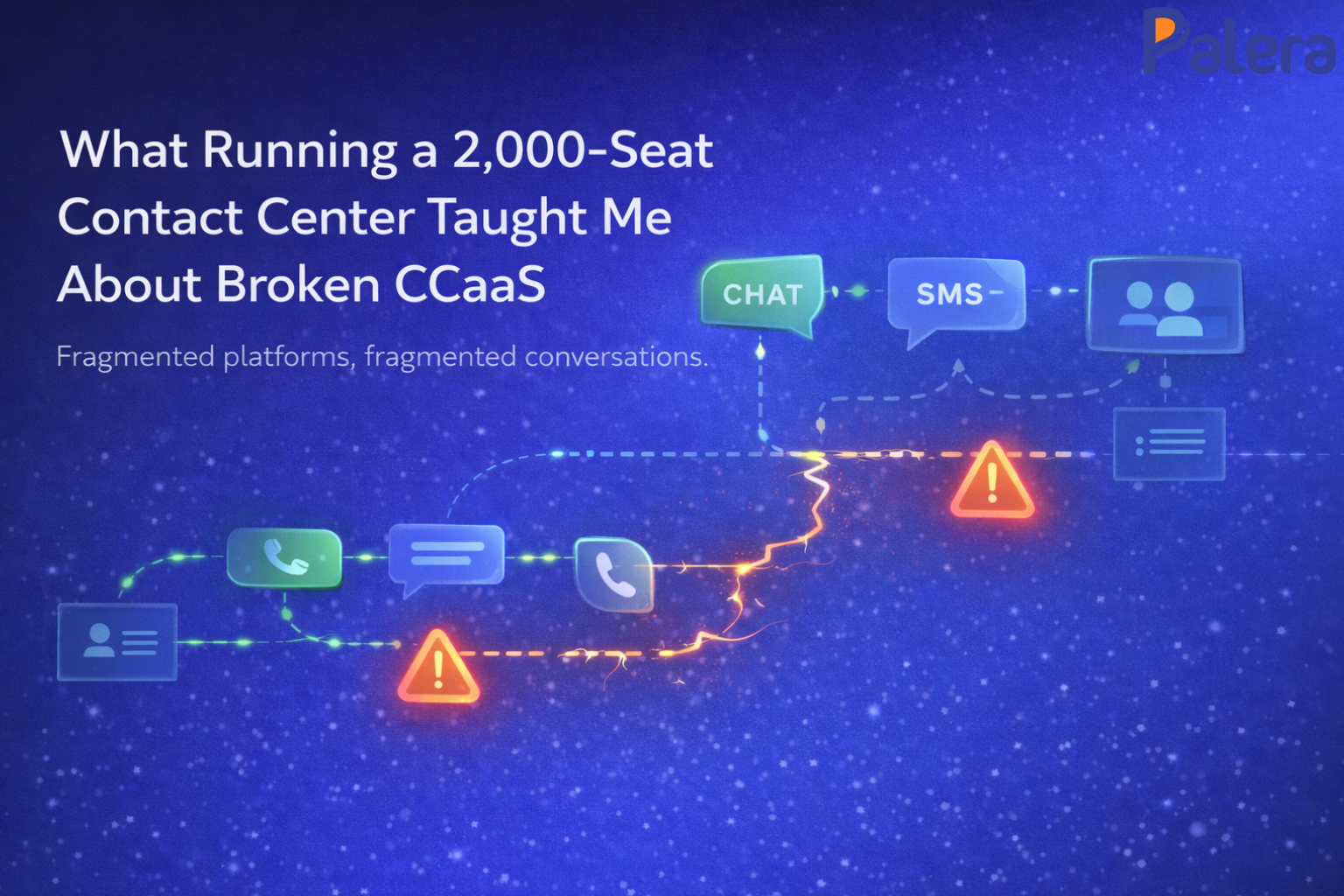
Yet most CX systems treat conversations like isolated events - a ticket here, a chat there, a call somewhere else.
The result is a fragmented experience where customers restart, agents guess, and AI operates without memory.
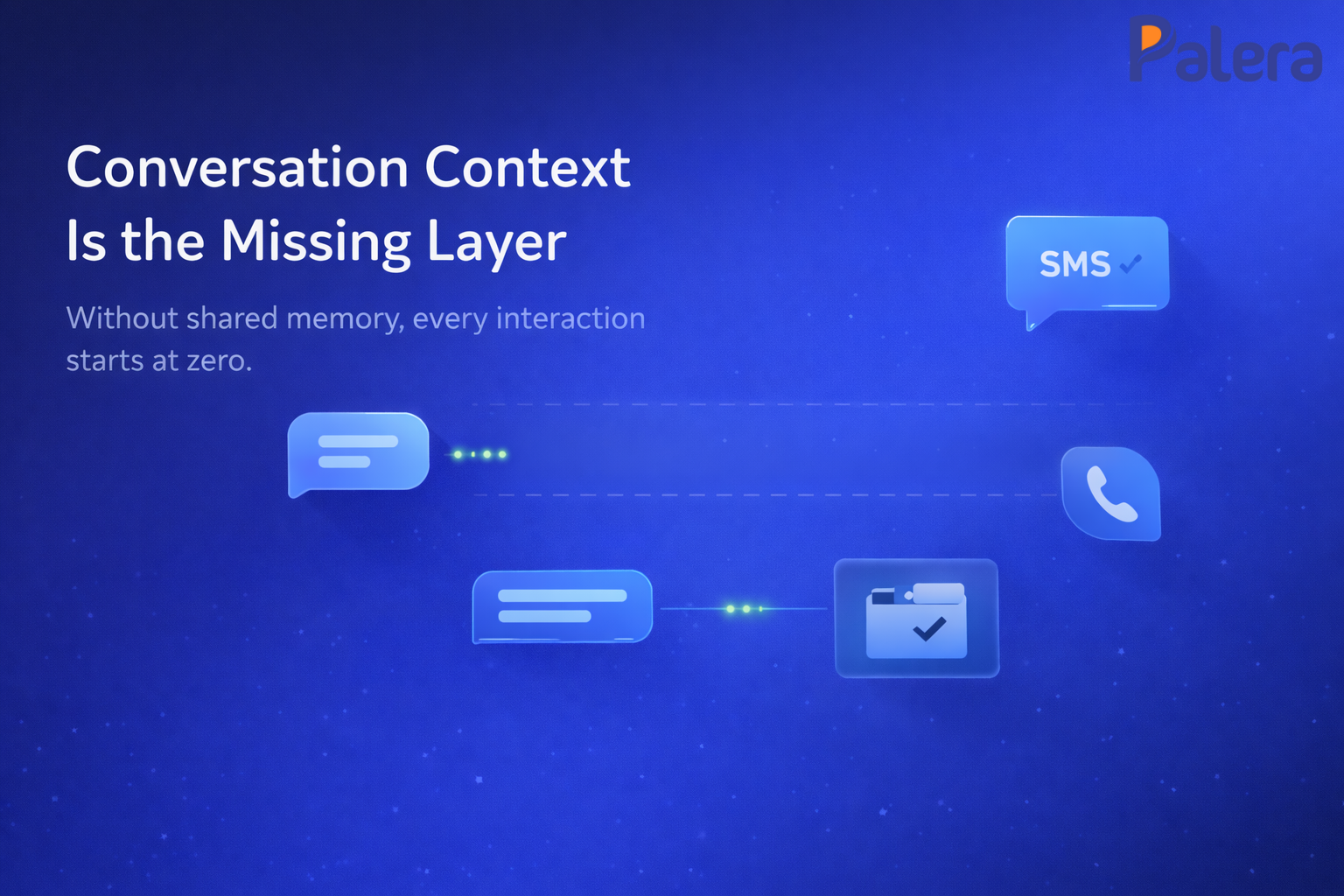
Conversation context is the missing layer holding everything together.
The Broken Assumption: Channels Are Independent
Most platforms optimize per channel:
- Chat tools optimize chats
- Voice tools optimize calls
- Messaging tools optimize messages
Customers don’t experience channels - they experience continuity.
When systems don’t share context, experience quality collapses.
What Conversation Context Really Means
Context isn’t just transcripts.
It includes:
- What the customer already said
- What was promised
- What worked (and didn’t)
- Prior decisions and outcomes
Without this, every interaction starts at zero.
Why CX and AI Fail Without Context
AI without context guesses.
Humans without context improvise.
Both lead to:
- Inconsistent answers
- Escalations
- Trust erosion
Context is what turns automation into intelligence and agents into problem solvers.
The Hidden Cost of Fragmentation
When context breaks:
- Agents waste time reconstructing history
- Customers repeat themselves
- AI confidence drops
- Supervisors lose visibility
These costs rarely appear in budgets - but they compound quickly.
What Changes When Context Is Unified
With a continuous conversation layer:
- AI and humans operate from the same truth
- Quality becomes consistent
- CX becomes measurable across channels
- Scale no longer sacrifices experience
This is infrastructure, not a feature.
What Context Enables in Practice
When conversation context is unified, it doesn’t just improve support - it changes how teams engage customers altogether.
Context allows outreach to trigger from real events instead of schedules, follow-ups to feel personal instead of automated, and messaging to warm conversations before voice interactions close the loop.
These aren’t campaigns or scripts - they’re continuous relationships built on shared memory.
Final Thought
Great CX doesn’t come from better scripts or faster replies.
It comes from systems that remember.