





Looking back at my time running a 2,000-seat contact center, the mistakes weren’t dramatic.
They were subtle.
Operational.
Easy to normalize.
The First Friction: Tool Hopping
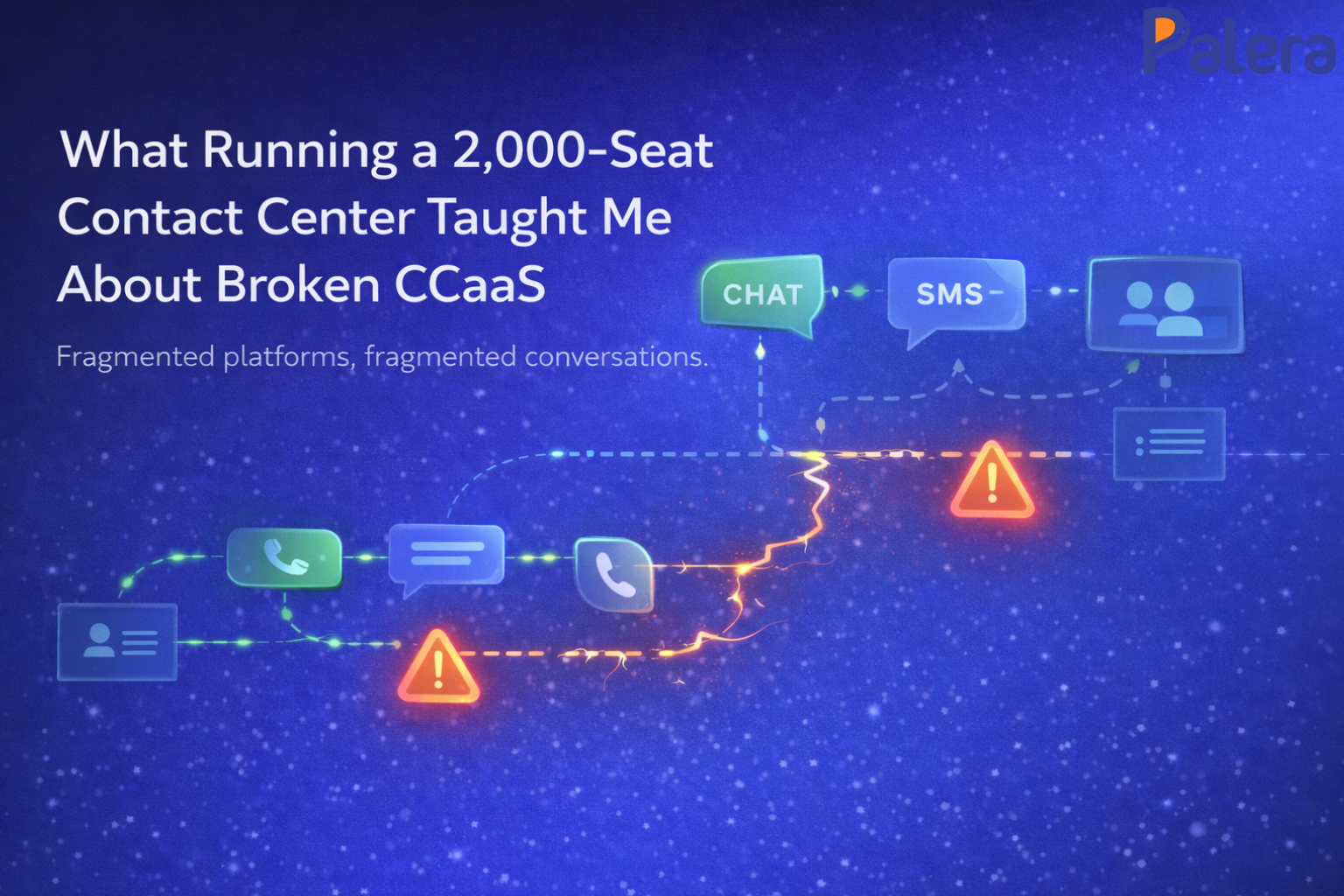
Agents had to jump across tools just to keep conversations alive.
Different tabs.
Different channels.
Different clients.
Nothing catastrophic - just enough friction to slow everything down.
Chats got missed.
Replies came late.
Customers felt ignored, even when agents were working hard.
Leadership saw metrics.
Customers felt silence.
Transfers Were Worse
We’d transfer a conversation and the context wouldn’t follow cleanly.
Especially across channels.
The next agent saw fragments, not a full picture.
So the customer had to start over.
Again.
From the system’s point of view, that was expected.
From the customer’s point of view, it was exhausting.
Availability Made It Even Messier
One missed transfer and the conversation bounced back into the pool.
New agent.
No history.
No idea what just happened.
Leadership blamed training.
QA blamed agents.
But the pattern kept repeating.
The Real Problem No One Wanted to Say Out Loud
The truth was simpler than we wanted to admit:
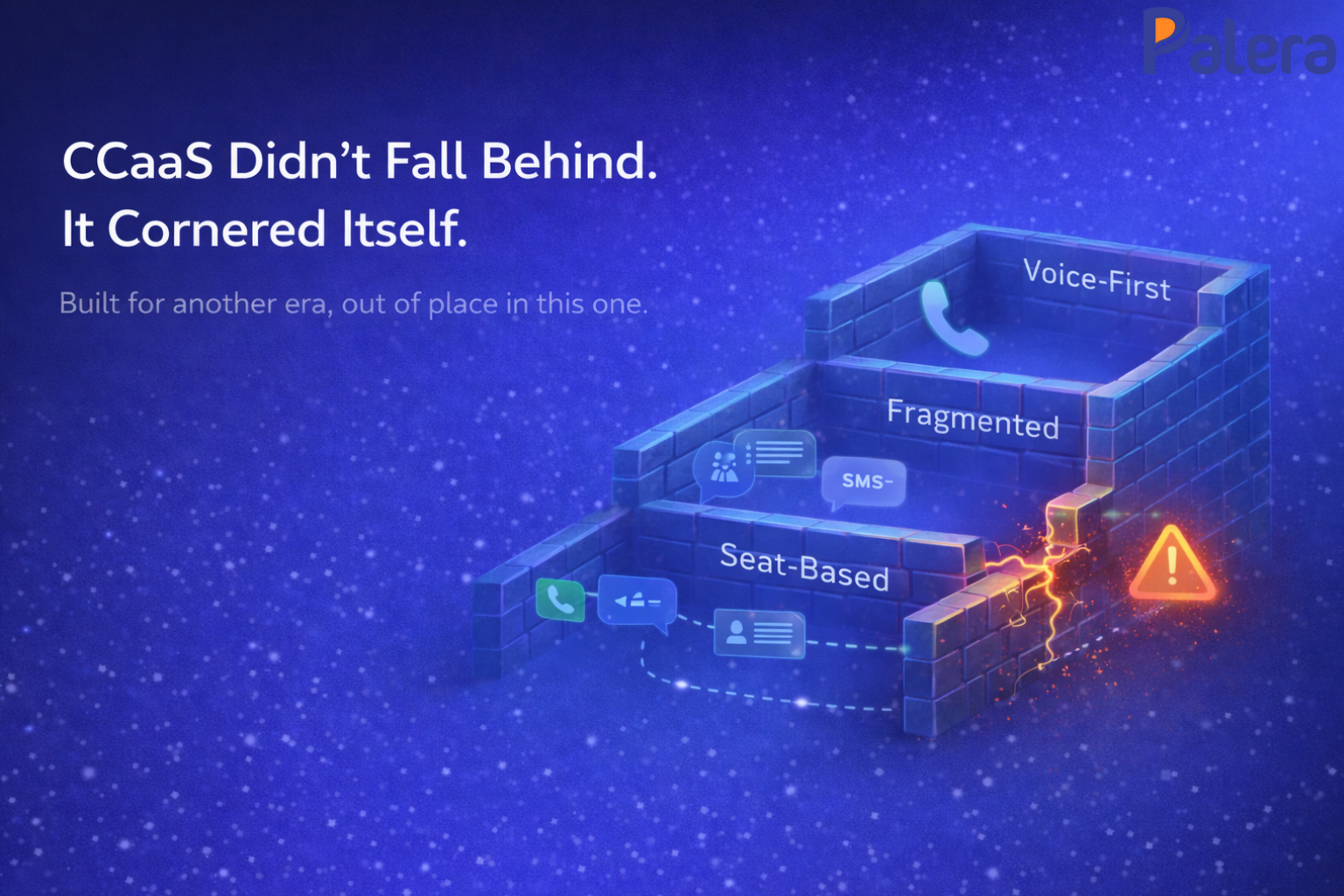
The legacy CCaaS platform wasn’t designed for how contact centers actually operate.
Everything was rigid.
Channel-first.
Voice-first.
We were forcing modern workflows into legacy CCaaS boxes.
And the system pushed back every time.
Final Thought
If your platform fragments context,
your operation will fragment too.
The cracks don’t show up as failures.
They show up as friction - and friction compounds quietly.
What’s the one workflow your CCaaS makes harder than it should be?